Everyday Food Choices: Informational Framing
Welcome to an educational space dedicated to understanding how people perceive and reflect on their daily food-related decisions. This platform describes a conversational format centered on everyday eating patterns, routine circumstances, and the contexts that shape food choices in real-life settings.
These reflection sessions are purely informational. They explore how individuals notice their eating routines, describe recurring situations, and discuss the practical organization of meals across different environments. The focus remains on observation and description rather than instruction or change.
Explore More
Food Choices: How They Are Noticed
Throughout any given day, people make numerous small decisions related to eating. These choices often happen quickly and may not receive conscious attention in the moment. Reflection sessions create space to examine these repeated selections more closely.
Participants describe what they remember about their choices: which items they selected, when certain options were considered, and which alternatives were available at the time. The conversation remains focused on recognition rather than evaluation, allowing individuals to articulate their own observations about patterns they may not have previously named.
This descriptive approach helps clarify how choices emerge within daily life, bringing awareness to decisions that typically remain in the background of routine activity.

Daily Flow: Moments Across the Day

Morning Beginnings
The first eating moments of the day vary widely among individuals. Some people describe structured morning routines with consistent timing, while others report more variable patterns depending on schedules and circumstances. Reflection sessions explore what these morning moments look like in practice, including where they occur, what timing constraints exist, and which options are typically accessible.

Pauses and Main Meals
Between morning and evening, multiple eating occasions may occur. Conversations identify distinct pauses, planned meals, and informal moments when food is consumed. Participants describe the spacing between these occasions, the contexts in which they happen, and how these patterns align with work schedules, social commitments, or personal rhythms throughout the day.

Evening Transitions and Shared Moments
Later eating occasions often involve different settings and social contexts. Some individuals eat alone while others share meals with family or housemates. Reflection explores how evening routines differ from earlier patterns, what influences the timing and content of these meals, and how shared eating situations compare to solo contexts in terms of choice and attention.

Influencing Elements: What Shapes Choices
Reflection sessions systematically explore the factors that participants identify as influential in their daily eating patterns. These elements are described rather than judged, creating a neutral inventory of circumstances that shape routine decisions.
Time Availability
Many people mention time constraints as central to their choices. How much time exists between activities, how long preparation might take, and whether a given moment feels rushed or relaxed all contribute to which options seem feasible in practice.
Surroundings and Access
The immediate environment determines what is physically available. Participants describe what is present in their home, what options exist near their workplace, and which venues they encounter during typical movement through their day.
Convenience and Attention
Ease of access and the level of focus required for different choices also appear in these conversations. Some selections require minimal effort while others demand more active engagement, planning, or preparation. Reflection clarifies how these factors operate within individual routines without suggesting that any pattern is preferable.
Environments: Where Choices Occur
Physical settings play a significant role in shaping daily eating patterns. Reflection sessions examine the various locations where food-related decisions take place, exploring how each environment presents distinct circumstances and possibilities.

Home Spaces
Private residences offer specific conditions: what is stored, how cooking areas are organized, and which items are readily accessible without additional acquisition. Participants describe their home eating environments in detail, including typical stock, preparation habits, and how space configuration influences routine selections.
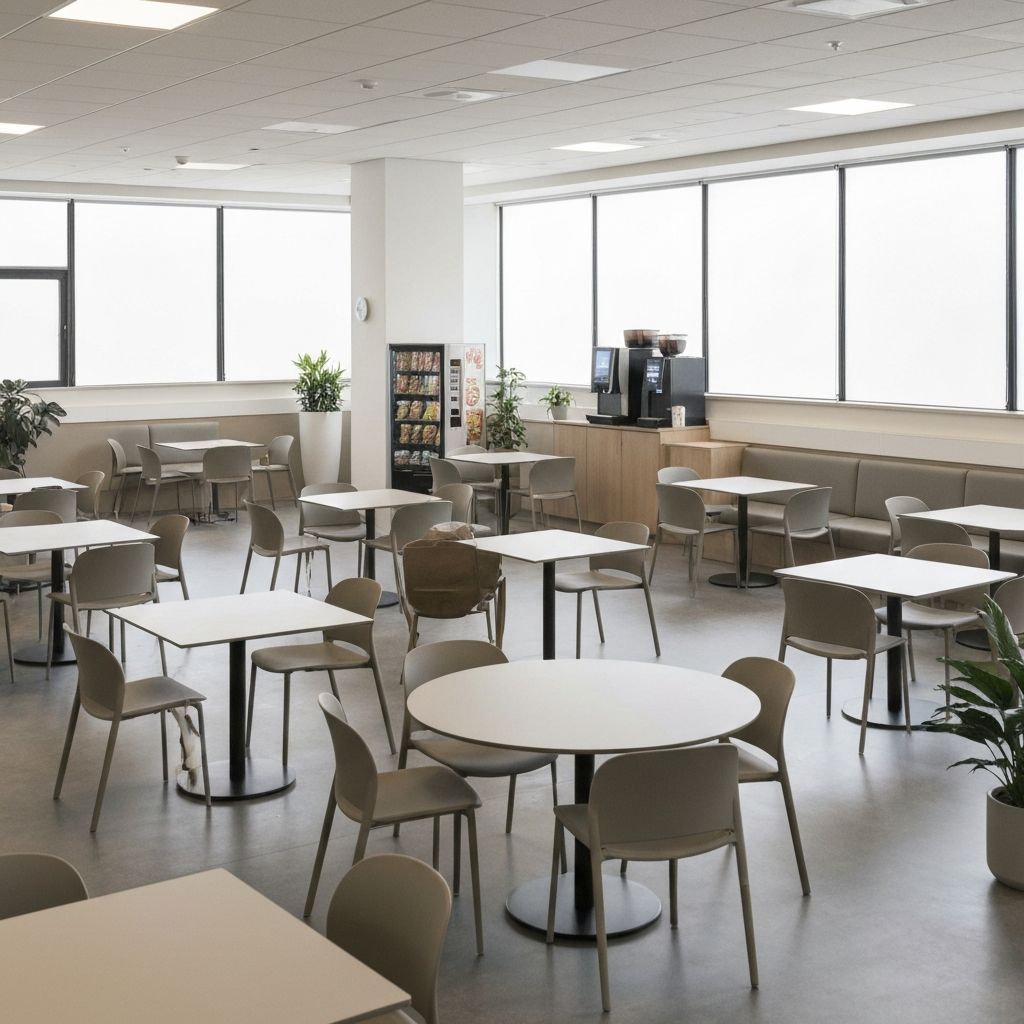
Workplaces
Professional environments introduce different constraints and options. Some workplaces provide cafeterias or common areas, while others offer only basic facilities. Conversations explore what eating at work looks like practically: whether food is brought from home, purchased nearby, or obtained through workplace resources, and how work schedules interact with eating timing.

Outside Locations and Group Contexts
Eating also occurs in public venues, during transit, and in social settings. These environments present their own characteristics: what is offered, how selection works, whether others are involved in the decision, and how unfamiliar contexts differ from familiar ones. Reflection examines how people navigate these varied situations as part of their regular routines.

Routine Patterns: Repetition and Familiarity
Many individuals report recognizable sequences that repeat across days or weeks. Reflection sessions invite participants to identify these patterns and describe what consistency looks like within their own experience.
Weekday Structures
Work or activity schedules often create similar conditions from one weekday to the next. People describe typical Monday through Friday eating patterns, noting which elements remain constant and which vary depending on specific circumstances each day.
Weekend Variations
Saturdays and Sundays may introduce different rhythms. Without standard work timing, eating occasions might shift, and different environments or social contexts may become relevant. Conversations compare weekend patterns with weekday routines to clarify how time structure influences choices.
Recognition of Recurrence
Through reflection, participants articulate which aspects of their eating patterns repeat reliably and which show more variation. This recognition process remains descriptive, focused on accurately characterizing what actually happens rather than assessing whether patterns should change.
Situations: Common Everyday Contexts
Beyond regular routines, specific situations introduce unique considerations. Reflection sessions address these contexts as they arise in normal life, describing how choices unfold within circumstances that differ from typical patterns.

Shopping Moments
Acquiring food involves its own set of choices: which venue to visit, when to go, how much time to spend, and which items to select. Participants describe their shopping practices, including how they decide what to purchase, what influences these selections, and how frequently these activities occur within their schedules.

Eating Out and Social Gatherings
Meals in restaurants, cafes, or social settings add complexity. Other people may be involved, menus present structured options, and social dynamics can influence selection. Conversations explore how these occasions fit into broader patterns and how choices in these contexts compare to eating at home or work.

Commuting and Travel
Movement between locations introduces specific conditions. Eating during commutes or while traveling requires different considerations than stationary contexts. Reflection examines what options exist during transit, how timing pressures operate in these situations, and how travel disrupts or maintains routine patterns during the periods when individuals are away from familiar environments.
Daily Tempo: Pace and Pauses
The overall rhythm of a day influences how eating unfolds. Reflection sessions address the pace at which life moves during different periods, recognizing that daily tempo varies considerably both between individuals and within the same person across different days.
Fast Days
Some days involve back-to-back commitments, tight schedules, and limited pauses. People describe these compressed periods in which decisions must be made quickly, options may be limited by time constraints, and eating might occur alongside other activities rather than as a distinct, separate occasion.
Slower Days
Other days offer more flexibility and breathing room. With fewer external demands, individuals may have more time to consider options, prepare food with greater attention, or linger over meals. Reflection explores what becomes possible when time pressure diminishes and how choices manifest differently under these conditions.
Shifts in Daily Rhythm
Tempo often changes within a single day or across a week. Morning might feel rushed while evening offers more spaciousness, or vice versa. Conversations map these tempo shifts, describing how pace fluctuates and noting which periods feel hurried versus relaxed. This descriptive mapping helps clarify the temporal context within which food choices occur, without linking pace to any particular outcome or suggesting that any rhythm is superior.
Limits of the Informational Format
It is essential to clearly define what these reflection sessions do not include. This format is strictly educational and descriptive, with explicit boundaries that distinguish it from other types of guidance or services.
No Plans or Instructions
These sessions do not provide menus, meal plans, shopping lists, or step-by-step instructions. There are no prescribed sequences, recommended schedules, or suggested routines for participants to follow.
No Standards or Mandatory Lists
The conversations do not establish standards, requirements, or rules. No items are labeled as necessary or prohibited, and no universal guidelines are presented as applicable to all situations.
No Dosages or Prescriptions
There are no specifications regarding amounts, frequencies, or exact selections. The format does not prescribe quantities, timing, or specific combinations of items.
No Analyses or Evaluations
Choices are described but not assessed. There are no measurements, calculations, or evaluative judgments about whether any pattern meets external criteria or represents an ideal approach.
No Promises of Results
These sessions make no claims about outcomes, effects, or changes. There are no guarantees, timelines, or expectations regarding what will happen following reflection conversations. The purpose is solely to facilitate descriptive discussion of existing patterns.
No Action Plans
Sessions conclude with a descriptive summary rather than an action plan. Participants receive a neutral recap of what was discussed, without directives, goals, or steps to implement afterward.
FAQ About Everyday Food Choice Reflection Sessions
What exactly happens during a reflection session?
A reflection session is a structured conversation with a food-related professional. You describe your typical eating patterns, routine circumstances, and the contexts in which choices occur. The professional asks clarifying questions to help you articulate details about your daily flow, environments, and recurring situations. The session remains focused on description rather than instruction.
Who facilitates these conversations?
Sessions are conducted by professionals with backgrounds in food-related fields who are trained in facilitative, non-directive conversation methods. Their role is to guide reflection and help participants describe their patterns clearly, not to provide advice or recommendations.
How long does a typical session last?
Session duration varies depending on the scope of discussion, typically ranging from 45 minutes to 90 minutes. The timing allows for thorough exploration of daily patterns while remaining practically manageable within normal schedules.
Is this format suitable for everyone?
These sessions are designed for individuals interested in reflecting on their everyday eating patterns through descriptive conversation. The format assumes participants can articulate their own experiences and are comfortable with an educational, observation-focused approach rather than directive guidance.
Will I receive recommendations or a plan to follow?
No. The session concludes with a descriptive summary of what was discussed, not an action plan. You will not receive menus, schedules, recommendations, or instructions. The purpose is reflection and articulation, not prescription.
How is this different from nutritional counseling?
Nutritional counseling typically involves assessment, recommendations, and goal-setting. Reflection sessions are purely descriptive and educational. There are no assessments, no standards applied, and no outcomes promised. The focus remains on understanding existing patterns rather than changing them.
Can I discuss specific food items or eating situations?
Yes. The conversation can address any aspects of your daily eating patterns, including specific items you typically select, particular situations you encounter, and concrete examples from your routine. All discussion remains descriptive and contextual.
How many sessions are typical?
Some people engage in a single exploratory session, while others prefer multiple conversations over time to examine different aspects of their routines or to revisit patterns after life circumstances change. There is no prescribed number or sequence.
Are sessions conducted individually or in groups?
Both formats exist. Individual sessions allow for detailed personal exploration, while group settings enable participants to hear diverse examples and recognize common themes across different people's routines. The choice depends on participant preference and session design.
What should I prepare before a session?
No special preparation is required. Simply bring your willingness to describe your everyday eating patterns honestly. Some people find it helpful to notice their routines in the days before a session, but formal tracking or documentation is not necessary.
Will the professional share their own eating patterns?
The session remains focused on your patterns and observations. Professionals maintain a facilitative role, guiding reflection through questions rather than sharing personal examples or offering comparative information.
What if I want to change my patterns after reflection?
Reflection sessions do not include change planning or implementation support. If you decide to explore modifications after gaining awareness through reflection, that would be a separate process outside the scope of these informational conversations.
Contact and Informational Closing
This platform serves as an educational resource describing everyday food choice reflection sessions. The format focuses exclusively on reflection, description, and awareness regarding daily eating patterns within their natural contexts.
If you have questions about this informational format or wish to receive educational updates, you may provide your contact information below.
DailyFoodLens
Jalan Raya Sanur No. 88, Denpasar 80228, Indonesia
Phone: +62 361 7729 418
Email: [email protected]
These reflection sessions remain strictly educational and informational. They explore everyday eating patterns through descriptive conversation, examining routine decisions, environmental contexts, and recurring situations without providing instructions, standards, or promises of outcomes. The purpose is solely to facilitate articulation and awareness of existing patterns within their real-life circumstances.